
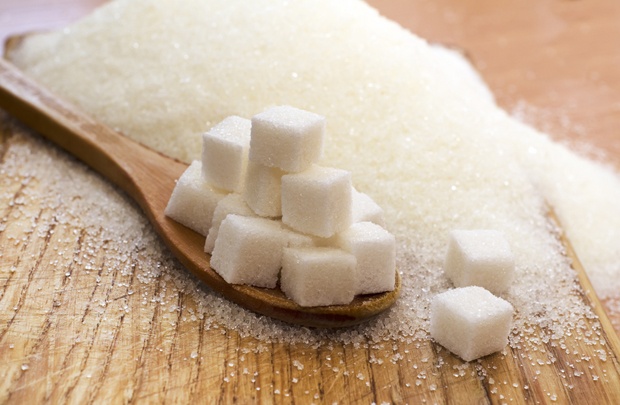
If we look at the typical diet, it’s shocking to realize just how much sugar we’re putting in our mouths. Read a few labels and you may be surprised. The stuff is not only in obvious foods such as sweetened cereal, soda pop, fruit juice, cakes, cookies, ice cream and candy, but in items that are supposed to be good for us, like soups, trail mixes, yogurts, even ketchup!
How much should we really be worried about all the sugar we’re swallowing?
While a piece of birthday cake now and then probably won’t do any harm, research shows that when we eat too much of the “bad sugars,” we can actually encourage cell growth-even tumor-cell growth.
Sugar-or another form of it called “glucose”-is the body’s preferred fuel. It breaks down many foods into glucose, including carbohydrates, which are found in bread, potatoes, peas and beans, rice, pasta, fruits and vegetables. How the body breaks these foods down-either fast or slow-makes a big health difference. In a nutshell, slower is better. When food breaks down quickly into sugars, the level of sugar in your blood goes up. (Think: sugar high.) This causes the body to release the hormone “insulin,” which regulates the sugar content and brings it back down. (The crash you feel after a couple hours.)
Problem is, insulin promotes cell growth. In fact, a Canadian study reported that women with breast cancer and high levels of insulin were eight times more likely to have a recurrence of the disease after treatment.
So what’s the “wrong kind” of sugar? In short, anything that breaks down too fast and spikes insulin levels. This includes “simple sugars” like table sugar, cakes, cookies, candy, pie, anything made with white flour, and especially soda pop.
What can you substitute for the unhealthy sweets? Try replacing sodas with herbal teas and water; cut back on the sugar you add to tea, coffee, cereal, or other foods; increase your protein intake with lean meats, fish and nuts, which tend to keep you fuller and less likely to succumb to cravings; and substitute sugar-free gum for any small candies you may snack on throughout the day.
Caring for Cancer suggests sticking with fruits, and limiting the simple-sugar treats to 2–3 times a week or less. Erin Dummert, RD, CD, suggests a whole orange instead of orange juice (the fiber in the orange will slow the breakdown of sugars), plain yogurt with fresh strawberries instead of strawberry flavored yogurt, and whole-grain bread instead of white bread. Carol Sorgen of WebMD reminds us to be sure we’re not eating out of an emotional need. If the blues are hitting us, a short walk, great CD, long chat with a friend or any other favorite activity is often a better choice.
Have you tried cutting back on sugar? Did you notice a change in your health, energy levels, mood? Please share your stories, thoughts and opinions.
Photo courtesy of Flicker.
